Landscape Photography Tips: How to Avoid Common Mistakes
Delving into the secrets behind a remarkable photograph can lead to extensive discussions. But what about the flip side? What turns an image sour?
The Perfect Photograph
In this guide, we’ve compiled a list of prevalent landscape photography mistakes witnessed over the years. These are errors we’ve all committed, and chances are, we’ll revisit them in the future. These simple insights are here to help you enhance your images, particularly if you’re new to landscape photography. Remember that art is subjective, and what’s a blunder for one could be a breakthrough for another. It’s essential to welcome the idea that breaking the rules often ignites new dimensions of creativity.
Continue reading for a rundown of common landscape photography pitfalls and discover practical strategies to steer clear of or rectify them.
Mistake #1: Unsteady Horizons
Achieving a Perfectly Level Horizon
Few things disrupt the tranquility of a landscape photo like a slanted horizon. Most cameras provide gridlines in the viewfinder for precisely this purpose, so make use of them. However, if you consistently struggle with crooked horizons, you can correct this during post-processing. But beware, as post-processing adjustments might result in losing essential elements at the image’s edges. Pay particular attention to horizons where land meets water or when trees appear at odd angles.
Mistake #2: Lens Limitations
Expanding Your Lens Options
An erroneous belief is that landscapes demand only wide-angle lenses. However, you shouldn’t restrict yourself to this notion. Fixed focal length lenses are often blamed for this misconception, as switching lenses can be cumbersome. Zoom lenses are your allies. Discover unique elements within your composition, frame your shot, and then scrutinize it. Most of the time, there’s a single element within the broader landscape that, when zoomed in and featured, breathes life into your image.
Mistake #3: Triangular Figures in Corners
Vigilance Against Triangular Shapes
Not everyone agrees on this point, but many consider triangular shapes in the corners of your photos undesirable. It’s essential to be mindful of this. This situation arises when you capture an image, and upon review, you spot a triangular form in a corner, whether it’s a rock, a patch of water, or irregularly cropped clouds. While the perspective on this matter is somewhat subjective, it’s worth noting that some critics may seize upon these shapes. In competitive contexts, this can be a point of contention.
Mistake #4: Stark, Empty Skies
Injecting Life into the Sky
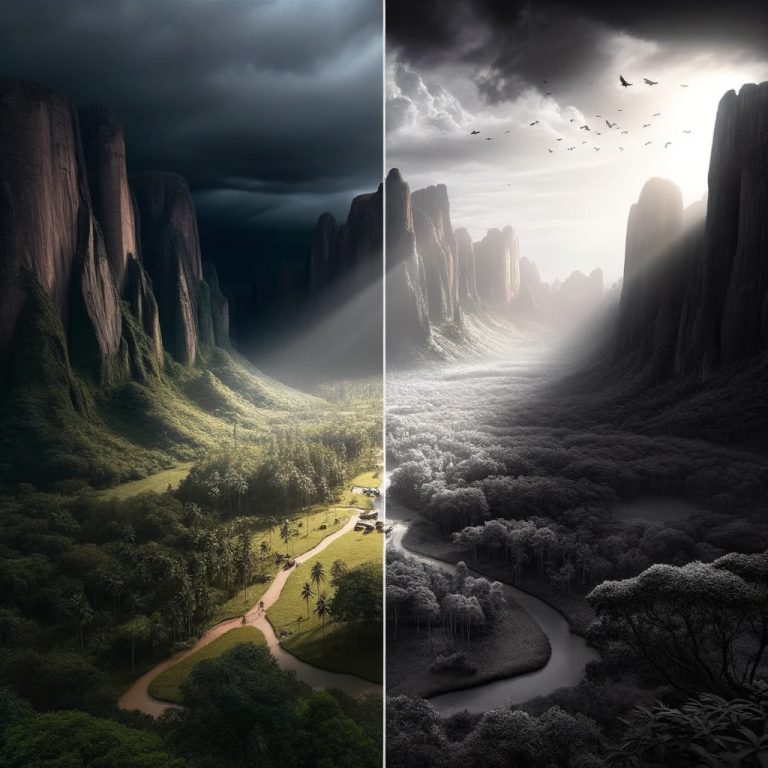
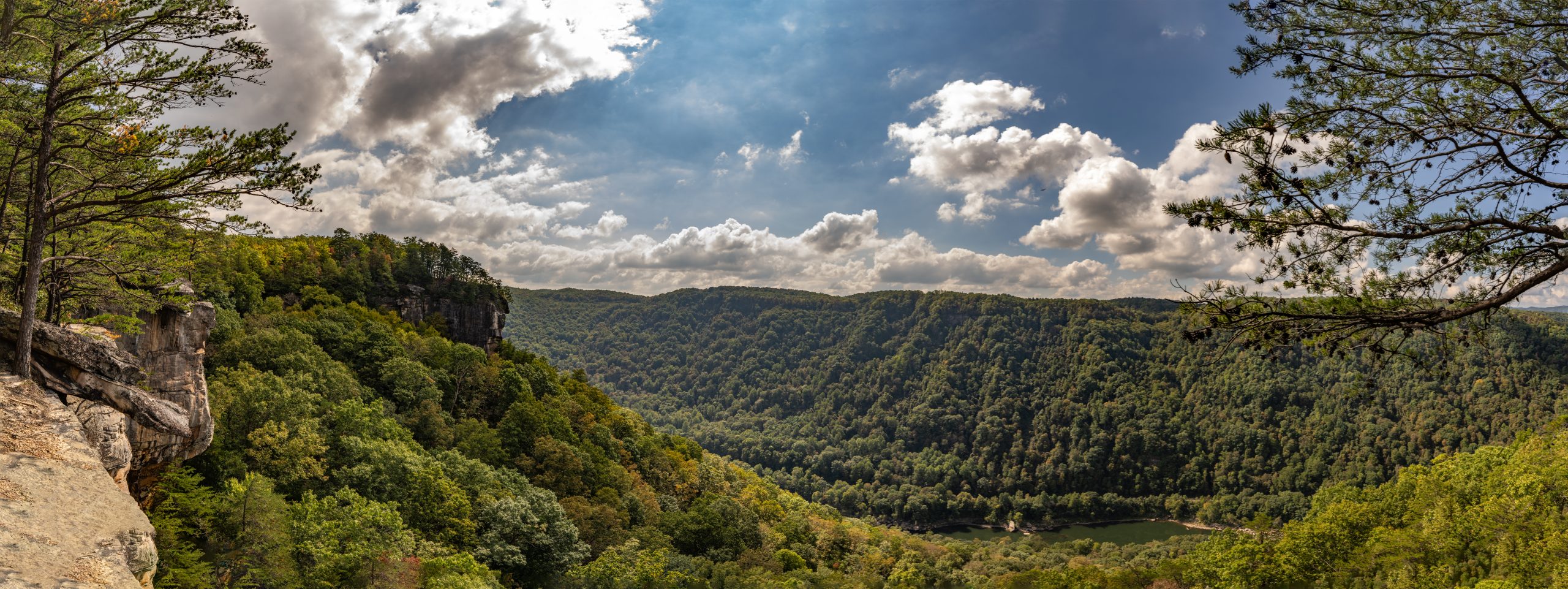
Bland, empty skies can be profoundly uninteresting. Clouds are instrumental in infusing drama and mood into your photos. A clear, blue sky can be a major distraction and can undermine your image. If possible, return to the location on a day with more favorable cloud cover. Imagine how much more captivating an iceberg off Greenland’s coast would have been with an approaching thunderstorm or how a barren rock mountain would have benefited from sunset clouds.
Mistake #5: Delayed Capture
Never Bet on a Return
One prevalent error among photographers is passing up photographic opportunities with the intent of returning later. But the photography gods don’t always oblige. The golden rule is never to count on a return. If you spot a photo-worthy moment, seize it immediately. Light and conditions can change in an instant, leaving you with nothing. It’s a lesson learned the hard way – moments slip away, and sometimes they don’t come back.
Mistake #6: Defying Perfect Light
Embracing Imperfect Lighting
While poor lighting can indeed mar an image, there are occasions when you must capture the moment despite suboptimal lighting conditions. A low-light image with some noise due to high ISO is superior to no image at all. Modern cameras deliver satisfactory results even at high ISO settings. The overcast day with fog along the coast of Washington serves as a compelling example of how less-than-ideal weather conditions can evoke mystery and softness.
Mistake/Tip #7: Low Camera Perspective Hazards
Camera Height and Altered Perspectives
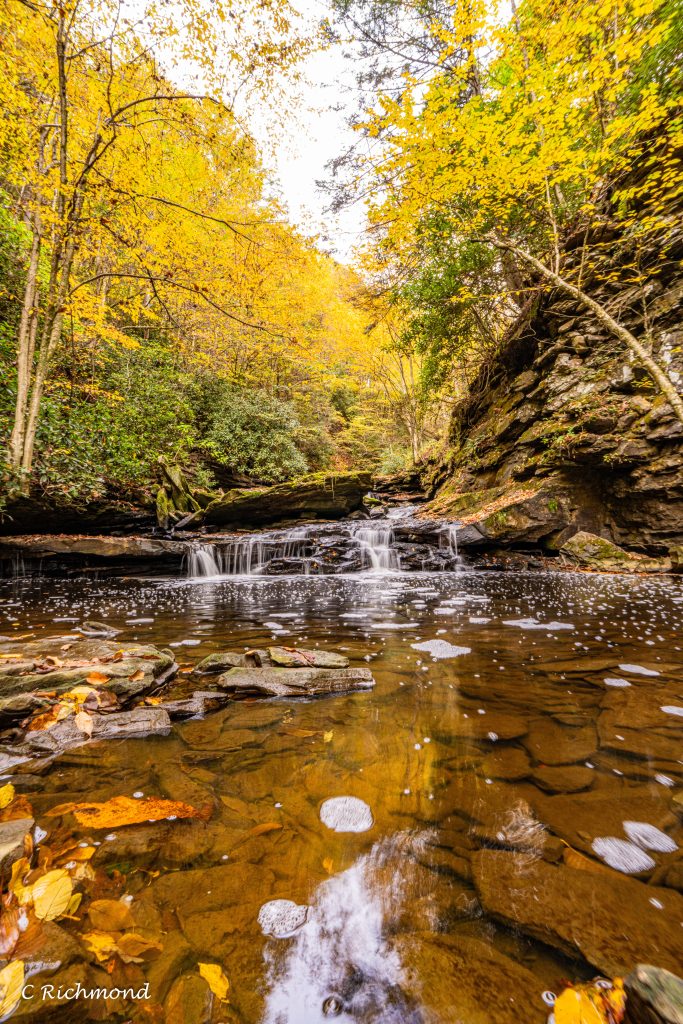
While positioning your camera close to the ground can yield distinctive perspectives, be wary of potential risks, like an incoming wave. A waterlogged camera is far from ideal, but sometimes the risk is worthwhile, as evident in this captivating shot from West Virginia.
Mistake #8: The Quest for an Extra Element
Searching for That Missing Ingredient
In various instances, your image may appear excellent but still lack that one element capable of captivating the viewer’s attention. It’s the “naked horse” your photograph may need. As shown in the example, introducing a seemingly insignificant element can elevate a good photograph to an engaging one.
Mistake #9: Timing Your Ventures
Strategically Planning Your Photo Shoots
The timing of your journeys plays a critical role in your photography. Thorough research and planning are essential to ensure you reach your locations at the ideal time of the year. For example, fall brings changing leaf colors, winter blankets landscapes in snow, and, let’s face it, July isn’t the most appealing time to visit a desert. However, photographing a location as the seasons shift can yield unique and dynamic images, as demonstrated in the final images from a waterfall in West Virginia. Nature constantly changes, and often, it changes for the better. Enjoy the diversity.
Always Carry a Camera
A Rule to Live By
One undeniable rule for photographers is to have a camera with you at all times. Even the smartphone in your pocket is a valuable tool. Remember, you can’t capture that perfect shot if you don’t have a camera with you.