
Best Lens for Landscape Photography
Choosing the Best Lens for Landscape Photography: 10 Essential Tips for Capturing the Great Outdoors
As a landscape photographer, your lens is your window to the world, offering a vista into the breathtaking expanse of the outdoors. Selecting the right lens is paramount to translating the grandeur of a landscape into a stunning photograph. This guide will walk you through the nuances of choosing the best lens for landscape photography, ensuring you’re equipped to capture the majesty of nature with clarity and depth.
Why Is Lens Choice So Critical in Landscape Photography?
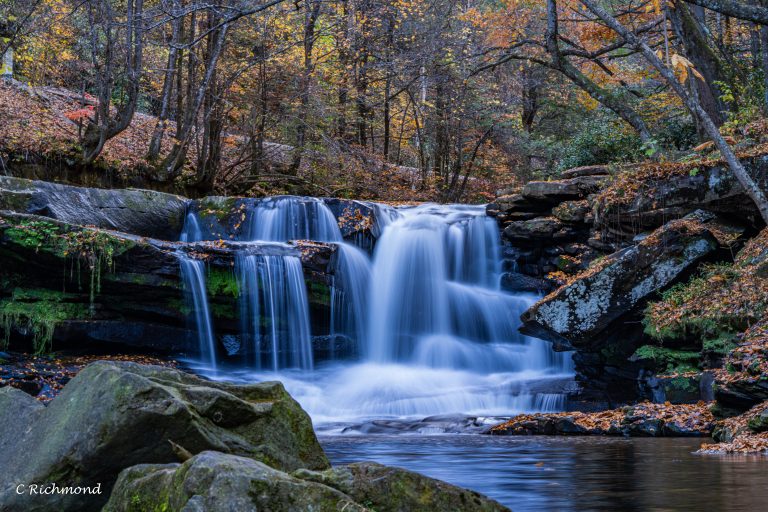
Landscape photography isn’t just about what you see—it’s about how you see it. The right lens can emphasize a scene’s depth, balance its elements, and render a sharpness that brings every detail to life. Whether it’s the grand, sweeping views or the intricate patterns in a rock face, the lens you choose can dramatically alter the composition and impact of your landscape photos.
1. What Is the Ideal Focal Length for Landscape Photography?
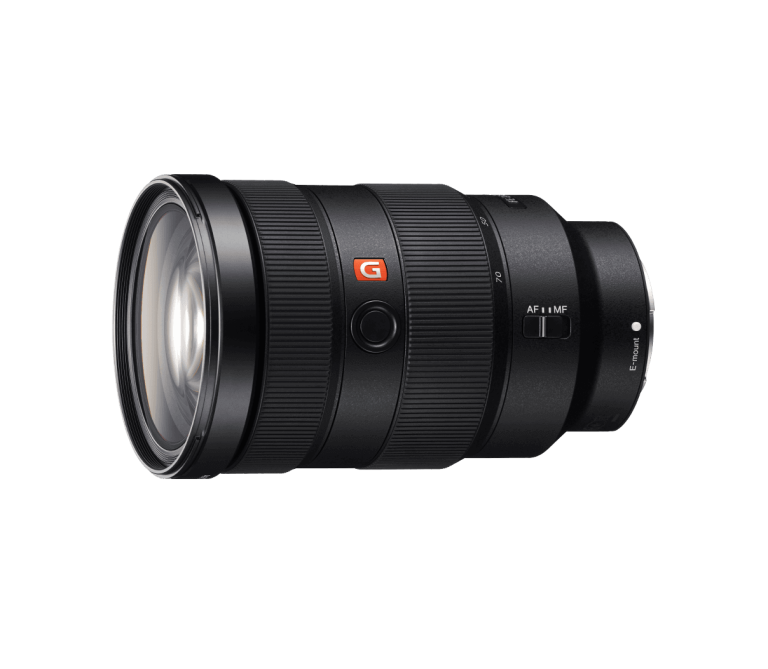
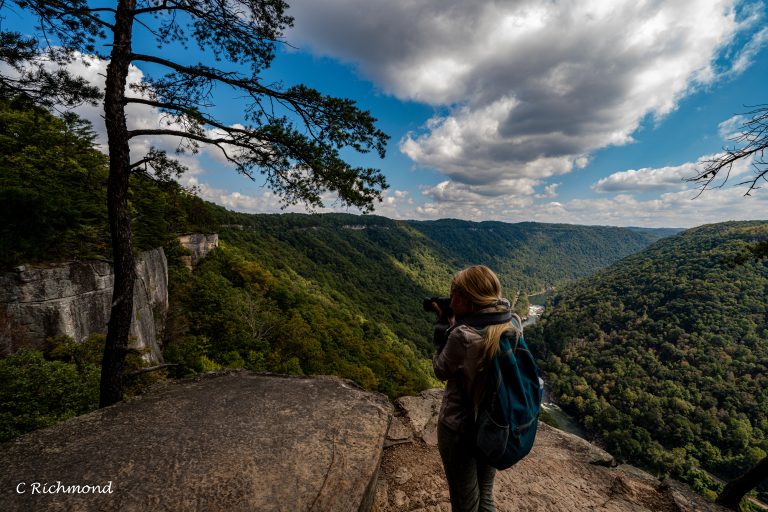
Understanding Focal Length and Landscape: The focal length of your lens dictates the angle of view and, thus, the scale and detail of the landscape you wish to capture. Wide-angle lenses, typically in the range of 16-35mm (primary) or 24-70(secondary), are favored by many landscape photographers for their expansive field of view, allowing you to capture vast scenes in a single frame. However, don’t overlook the creative potential of a 70-200 telephoto lens for isolating and highlighting specific features within the landscape.

Choosing a Lens Based on the Type of Landscape: If your landscape work includes a lot of wide, open spaces, a wide-angle lens will be your go-to. For mountainous or varied terrains where you might want to focus on certain elements, a telephoto zoom lens can be invaluable. Remember, the best landscape lens is the one that complements your vision and the type of landscape you’re most drawn to photographing.
2. Should You Go for a Zoom Lens or a Prime Lens for Landscape Photography?
The Versatility of a Zoom Lens: Zoom lenses for landscape photography offer great flexibility, allowing you to change focal lengths without switching lenses. A popular choice is a wide-angle zoom lens, which covers focal lengths from ultra-wide to standard, such as the 16-35mm lens, giving you a range to work with without the need to carry multiple lenses.
The Sharpness and Quality of a Prime Lens: Prime lenses are known for their superior sharpness and lighter weight, which can be a significant advantage when you’re hiking to remote locations. While they offer less flexibility in terms of focal length, a prime lens, like a 24mm wide-angle lens, often provides unparalleled image quality, making it one of the best lenses for landscape photography where prime composition and crisp details are desired.
3. How Does Sensor Size Affect Your Landscape Lens Choice?
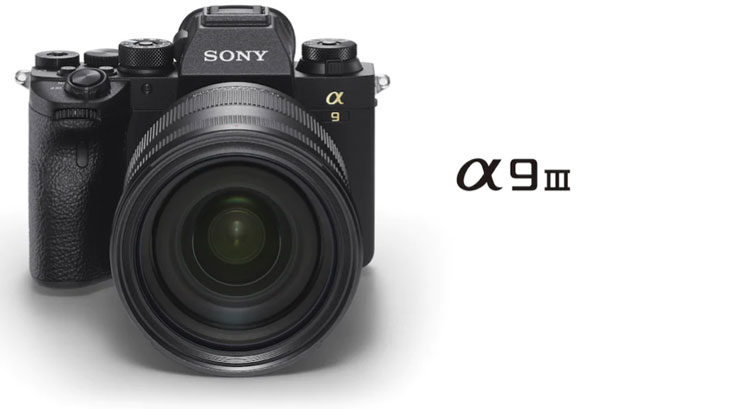
The Impact of Sensor Size on Focal Length: The sensor size of your camera—whether full-frame, like the Sony Alpha 7RV, or APS-C, like the Sony Alpha 6700—will affect the effective focal length of lenses. Full-frame sensors are the gold standard for serious landscape photography, offering a wider field of view and better performance in low light.
Choosing Lenses for APS-C Cameras: If you’re using an APS-C sensor camera, you’ll need to consider the crop factor when selecting your lens. For instance, a 16-35mm lens on an APS-C sensor will behave more like a 24-52mm lens. Therefore, you might need a lens with a shorter focal length to achieve true wide-angle landscape shots.
4. What Role Does Aperture Play in Landscape Photography?
The Sweet Spot for Landscape: While a wide aperture is often praised for the ability to create a shallow depth of field, in landscape photography, you’re typically aiming for sharpness throughout the scene. Lenses that offer an optimal ‘sweet spot’ aperture, usually around f/8 to f/11, are best for landscape photography. This provides a deep depth of field, ensuring that both the foreground and background are in focus.
Aperture and Light in Your Landscape Lens: A lens with a wide maximum aperture isn’t just about shallow depth of field—it also allows more light into the camera, which can be beneficial during low-light conditions often encountered in landscape photography, especially during the golden and blue hours.
5. How Important Is Lens Sharpness for Landscape Photography?
Sharpness Across the Frame: For landscapes, you want a lens that maintains sharpness from the center to the edges of the frame, as details are important throughout the image. Landscape lens options that boast corner-to-corner sharpness are often more sought-after, even if they come with a higher price tag.
Testing for Sharpness: Before committing to a new lens, it’s advisable to test its sharpness at various apertures. The best landscape lens for your needs will retain detail even when you stop down the aperture to increase the depth of field, a common requirement in landscape work.
6. How Do You Balance Lens Weight with Quality?
Considering the Weight for Hiking: One practical consideration for landscape photography is the weight of your lens. If you’re hiking long distances, a lightweight lens can be a game-changer. For instance, prime lenses are often lighter than zoom lenses and can be a great choice for serious landscape photographers who travel extensively.
Quality Shouldn’t Be Compromised: While weight is a factor, it should not come at the cost of image quality. The construction of the lens, the quality of the glass, and the coatings all contribute to the lens’s performance and durability—factors that are crucial when shooting in various outdoor conditions.
7. What Is the Importance of Lens Coatings for Landscape Photography?
Reducing Glare and Enhancing Contrast: Lens coatings are designed to reduce glare and reflections, which can be particularly problematic in landscape photography where you’re often dealing with bright skies. Coatings can also enhance contrast and color fidelity, making your landscape photos more vibrant and true to life.
Weather-Resistant Lenses for the Great Outdoors: Many lenses come with weather-resistant coatings that protect against dust and moisture. When you’re out in the field, a lens that can withstand the elements is indispensable. Always consider lenses with good protective coatings, especially if you plan to shoot in diverse and potentially harsh environments.
8. Should You Consider Image Stabilization for Landscape Photography?
The Benefits of Image Stabilization: While typically less critical for landscape photography since you can use a tripod, image stabilization can still be valuable. For handheld shooting in windy conditions or when you’re working without a tripod, a lens with image stabilization can ensure sharp images and expand your handheld shooting capabilities.
When Might Image Stabilization Be Unnecessary?: If your landscape photography is one where a tripod is a constant companion, then the added expense of image stabilization might not be necessary. Consider your style and typical shooting conditions when deciding on this feature.
9. Is a Weather-Sealed Lens Necessary for Landscape Photography?
Protecting Your Lens in Harsh Conditions: Landscape photographers often face challenging weather conditions, from sea spray to desert dust. A weather-sealed lens can provide peace of mind and protect your investment. While it may not be essential for everyone, if you frequently shoot in unpredictable conditions, a weather-sealed lens is a wise choice.
Balancing Cost and Need for Weather Sealing: Weather sealing typically comes with a higher cost. It’s important to balance the need for this protection with your budget and the type of landscape photography you usually do. If you’re mostly shooting in benign conditions, this may be a feature you can forego.
10. How Do You Choose the Best Landscape Lens for Your Sony Camera?
Compatibility with Sony Cameras: When choosing a lens for landscape photography, ensure that it’s compatible with your camera’s lens mount. Sony FE lenses, designed for their full-frame mirrorless cameras, offer a range of options that are tailored for landscape work.
Taking Advantage of Lens Manufacturers’ Options: Besides Sony’s own lenses, many other lens manufacturers produce lenses suitable for landscape photography that are compatible with Sony cameras. Exploring these options can expand your choices and may offer unique advantages in terms of cost, performance, or features.
Key Takeaways for Selecting Your Landscape Photography Lens:
- Opt for wide-angle or ultra-wide-angle lenses for expansive landscapes.
- Consider a telephoto lens for isolating details and compressing scenes.
- Match the lens choice to your camera’s sensor size—remember the crop factor.
- Look for lenses with sharp, consistent performance across apertures.
- Balance the lens’s weight with the quality, especially if you travel.
- Value lens coatings for their protective and image-enhancing properties.
- Assess the need for image stabilization based on your shooting style.
- Weather sealing is essential for shooting in adverse conditions.
- Ensure lens compatibility with your Sony camera and explore third-party options.
By considering these factors, you can choose the best landscape lens that meets your specific needs and helps you capture the natural beauty of the world with precision and artistry. Whether you’re traversing rugged mountains or exploring urban landscapes, the right lens is out there, waiting to bring your creative vision into focus.