Best Sony Cameras and Lenses for Wildlife Photography
Wildlife photography is a captivating and challenging genre that requires the right equipment to capture those elusive moments in nature. Your choice of gear can make a world of difference in the quality of your wildlife shots. If you’re a Sony photographer or considering switching to Sony, Amazon, Adorama, B&H Photo are currently hosting a fantastic sale on Sony gear, making it the perfect time to upgrade or start your wildlife photography journey. In this article, we’ll explore some essential gear recommendations for wildlife photography.
This site contains product affiliate links. We may receive a commission if you make a purchase after clicking on one of these links.
Choosing the Right Camera
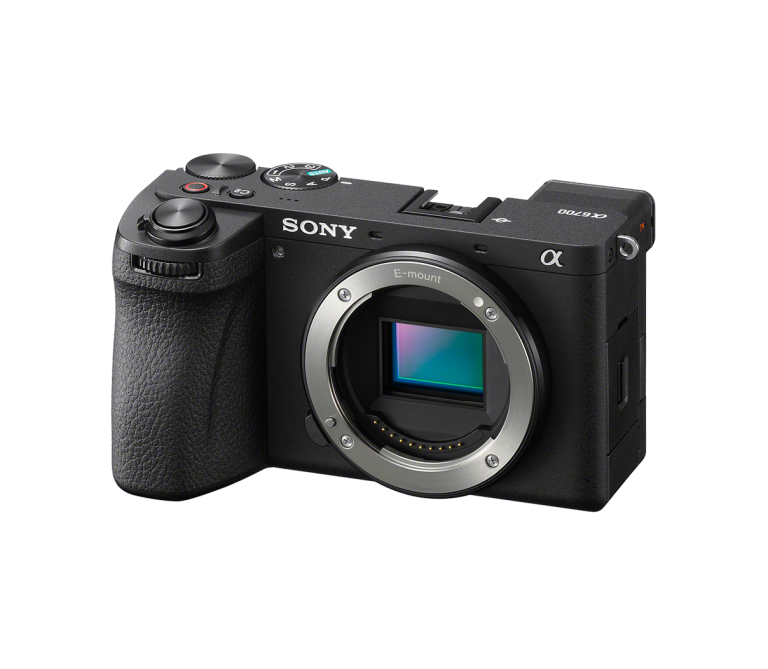
Selecting the right camera is crucial for wildlife photography. While cameras like the Sony Alpha ZV-E10 or Sony Alpha ZV-E1 may be suitable for other purposes, their lack of a viewfinder makes them less ideal for wildlife photography, where precision and quick responses are essential. Instead, consider cameras like the Sony Alpha 6100, Sony Alpha 6400, or Sony Alpha 6700, which range in price from $700 to $1800 and are well-suited for capturing wildlife in action.
These cameras are part of the APS-C lineup, which provides a 1.5x crop factor, increasing your reach when paired with telephoto lenses. This extra reach can be a game-changer when you’re trying to get close-up shots of distant wildlife.
Camera Resolution Matters
While shooting wildlife with 24-26 megapixels can be adequate for most situations, you may experience a decline in image quality if you heavily crop your photos. For better results, consider higher-priced cameras that offer improved autofocus systems. This is crucial for capturing those fast-paced wildlife moments that can be challenging to track and focus on.
Don’t Neglect the Viewfinder
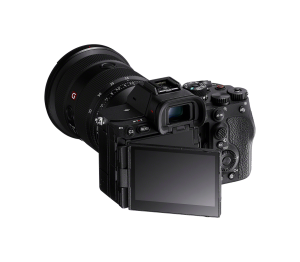
One common drawback with APS-C cameras is their viewfinders, which may not be as responsive as those in full-frame cameras. Lag in the viewfinder can make it difficult to track fast-moving subjects. If you’re on a budget, consider the Sony Alpha 7IV, which is a full-frame option. It offers 33 megapixels, a faster viewfinder, and better autofocus, making it a cost-effective choice for wildlife photographers.
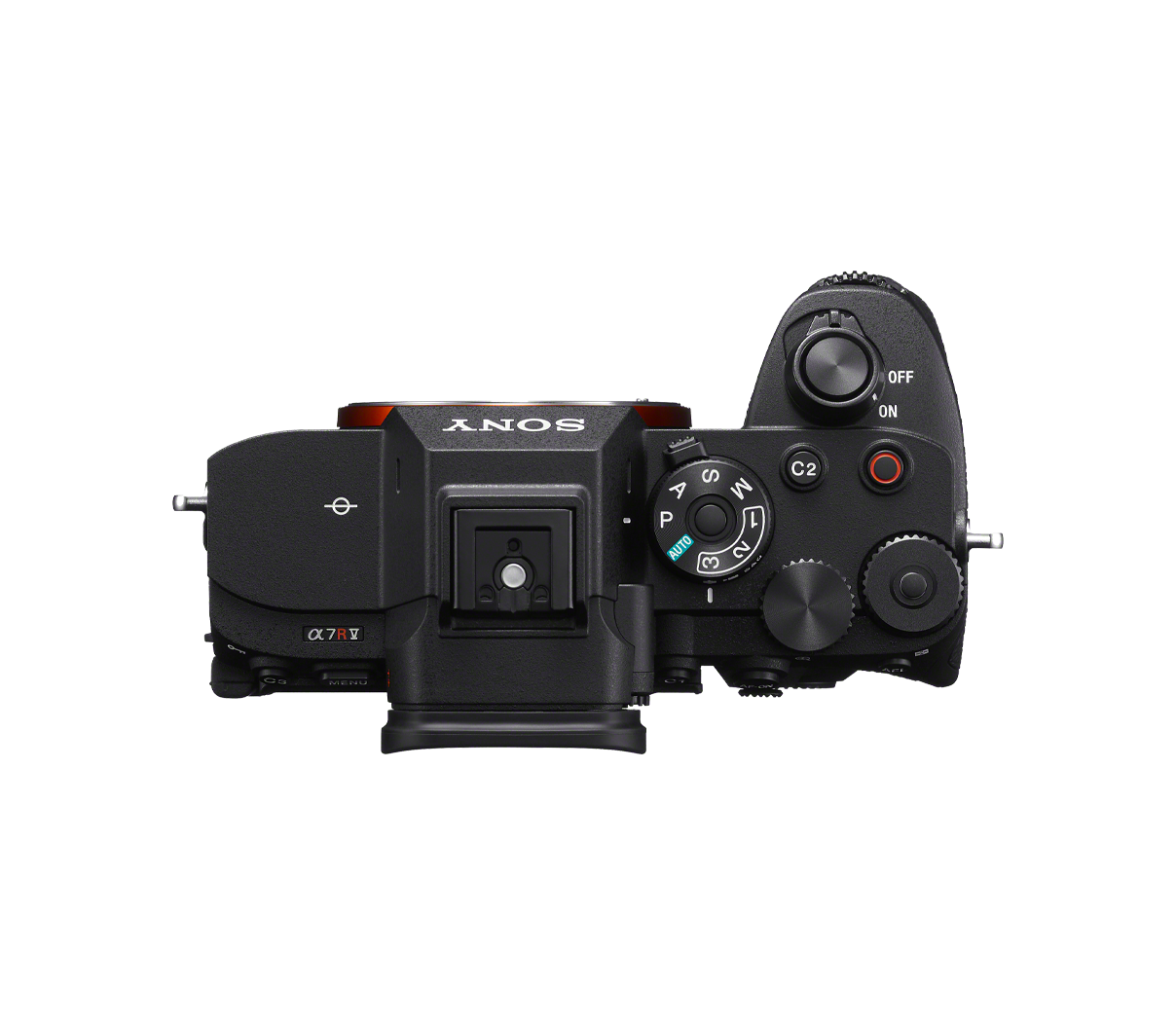
For the higher-end cameras, you may want to consider the Sony Alpha 7R V, which is a a full frame option priced at $3,900. It offers next generation AI-based AF combined with extraordinary 61 MP picture quality.
Additional Reach with Teleconverters
For extended reach in wildlife photography, invest in a teleconverter. This accessory attaches to your lens and increases the effective focal length. Using a high-quality teleconverter can help you get those shots you thought were out of reach. However, remember that lower-quality teleconverters can degrade image quality and damage your camera’s mount.
Fast and Reliable Memory Cards
To avoid buffering and ensure fast writing speeds when capturing wildlife in action, use large and fast memory cards. A 256 GB CF Express Type A card is an excellent choice, allowing you to capture the best moments without worrying about running out of storage.
Recommended Camera Gear
To capture fast-action scenes and take full advantage of 60-megapixel raw files, invest in two 512 GB CF Express Type A cards. This setup ensures you have ample storage for your wildlife adventures.
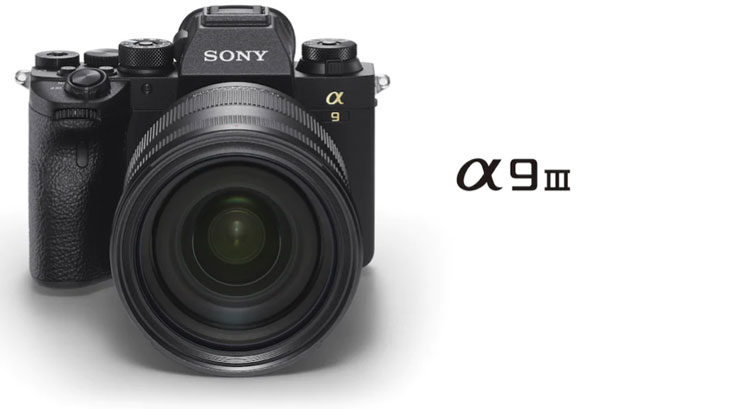
The Sony a9II is a camera with a high frame rate of 20 frames per second, perfect for capturing quick movements. However, its 24-megapixel resolution may result in a loss of detail compared to higher-resolution options.
For optimal wildlife photography, consider the Sony A1. This camera boasts outstanding 50-megapixel resolution, burst shooting at 30 frames per second, and superior autofocus capabilities, making it the top choice for wildlife enthusiasts.
Lens Recommendations
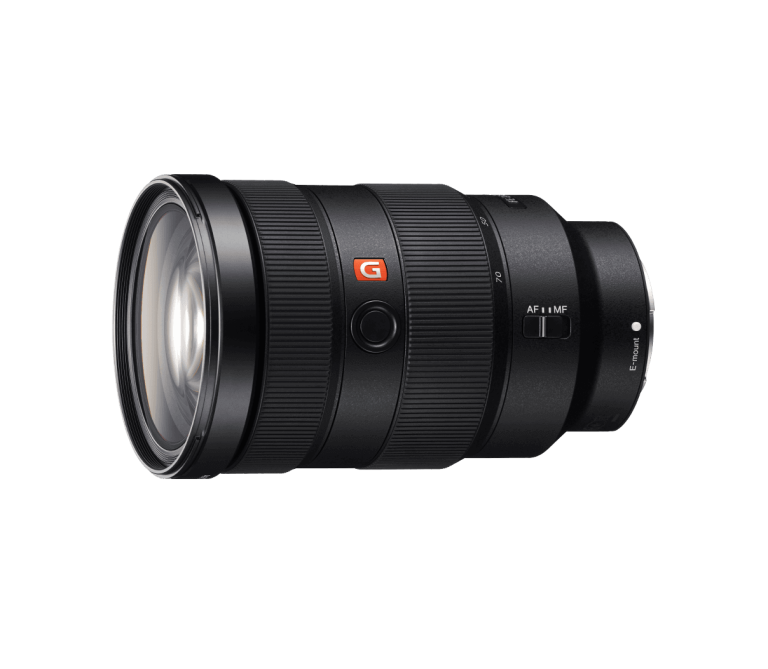
One essential piece of gear for wildlife photography is the lens. The Sony 70-200mm f/2.8 lens is highly recommended for its excellent sharpness and versatility. Pair it with a teleconverter to extend your range without compromising on image quality.
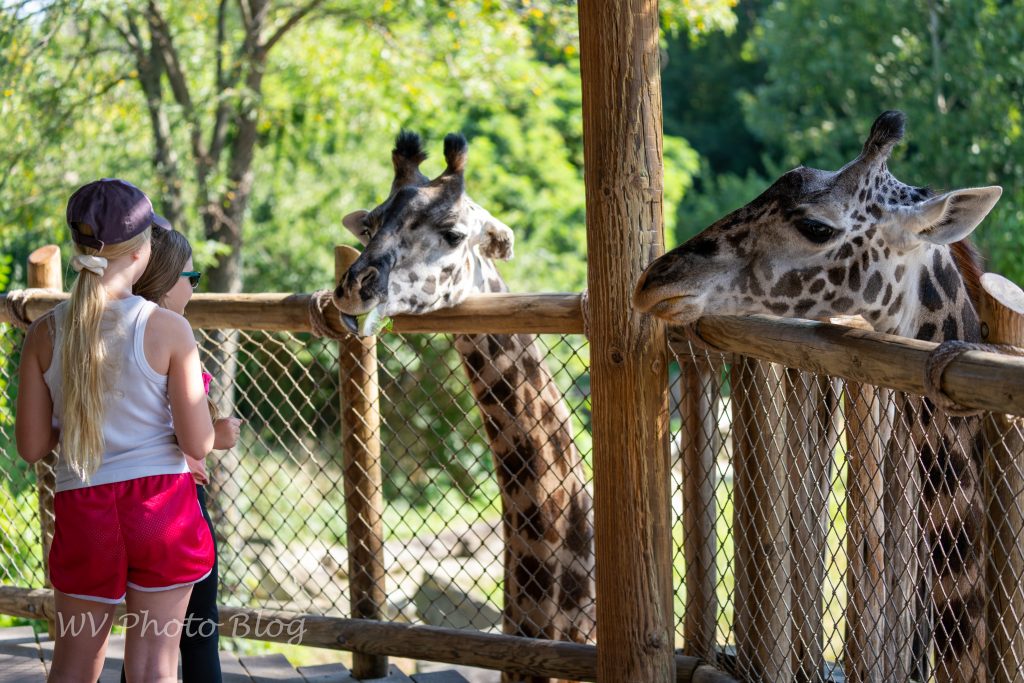
If you’re on a budget, the Sony 70-300mm or 70-350mm lenses are more affordable options. However, be aware that they may lack sharpness when heavily cropping images. For superior wildlife shots with any camera, the Tamron 150-500mm lens is a top choice.
Review of the Sony 200-600mm Lens and Extension Tubes
The Sony 200-600mm lens is often hailed as the best wildlife zoom lens. It’s a fantastic option for wildlife photography, but it’s worth noting that it exhibits focus breathing, which can make your subjects appear closer than they actually are. To mitigate this issue, consider using extension tubes.
Extension tubes, like those from Kenko, eliminate focal shrinking and allow you to achieve the full 600mm reach without compromising on image quality. Be cautious with cheaper extension tubes, as they may risk damaging your camera’s mount. Invest in higher-quality options to ensure your gear remains safe.
Using Teleconverters and Tripods
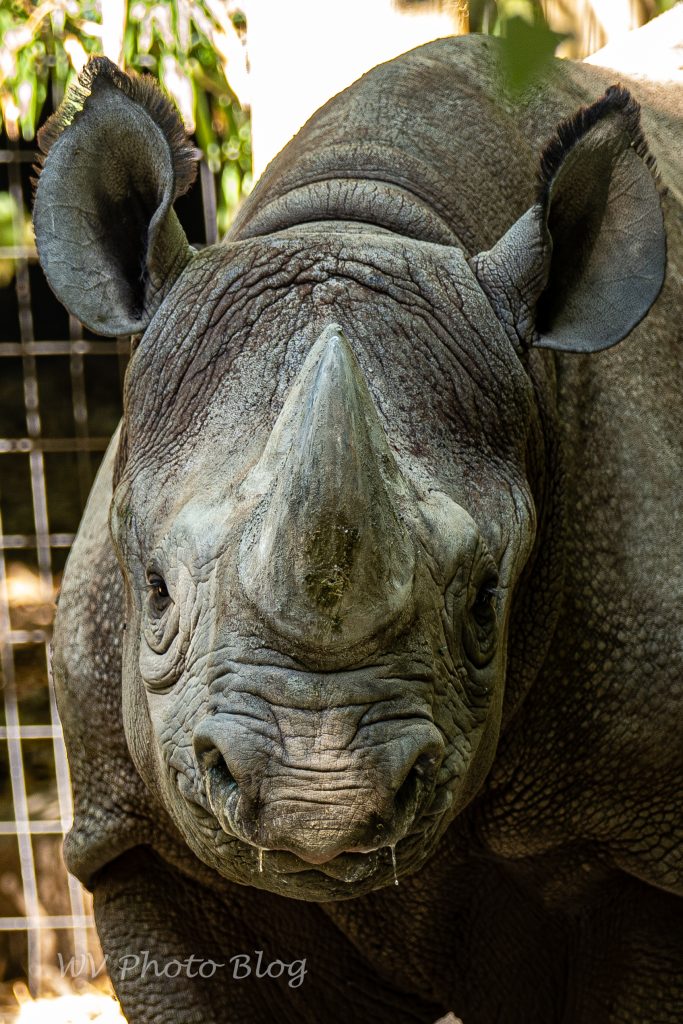
Teleconverters can be handy for adding extra reach to your shots. A 1.4x teleconverter can be attached to cameras like the Sony A7 R5 for improved sharpness and detail. However, for higher megapixel cameras such as the Sony A9 and A7 IV, it’s generally recommended not to use a 2x teleconverter to maintain maximum detail.
When shooting wildlife, especially with heavy gear, using a tripod like the gso gimbal tripod can greatly benefit your photography. It allows for smoother video recording and reduces strain on your arms, resulting in sharper, more stable shots.
Keeping your camera horizontal and ready to shoot can significantly improve your wildlife pictures. Consider replacing the tripod handle with a lighter and easier-to-carry alternative for added convenience in the field.
Sony Alpha 7R V Full-Frame Camera with 200-600mm F5.6-6.3 G Lens
Conclusion
In conclusion, wildlife photography is a thrilling pursuit that requires the right gear to capture those extraordinary moments in the wild. Adorama’s current sale on Sony gear provides an excellent opportunity for photographers to upgrade their equipment. Remember to choose the right camera, consider resolution and autofocus capabilities, invest in high-quality teleconverters and lenses, and make use of tripods to take your wildlife photography to the next level. By carefully selecting your gear, you’ll be well-prepared to capture the beauty and wonder of the natural world.